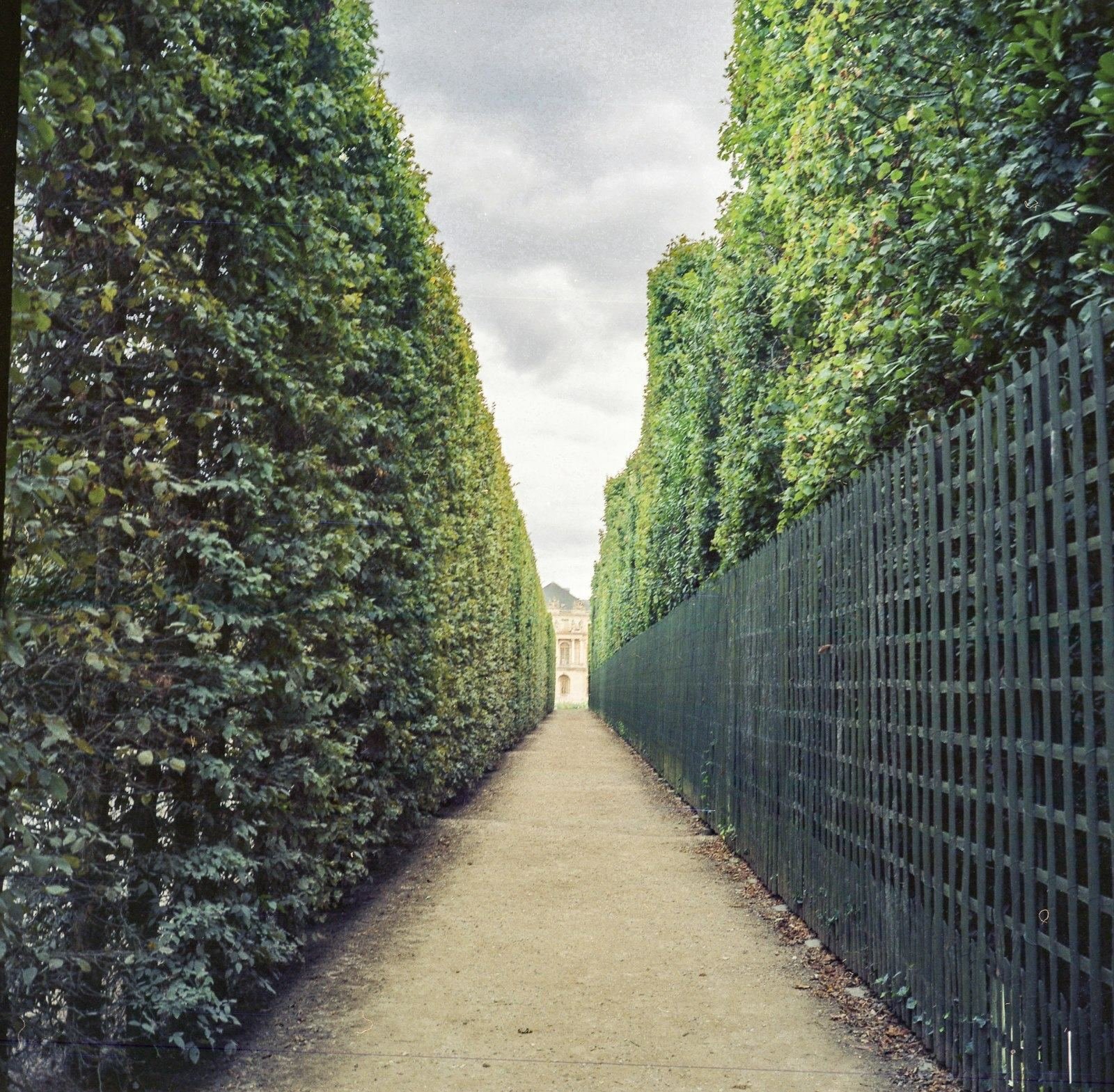
Formal hedges
Boxwood, yew, privet, arborvitae and hornbeam kept square and dense, on a schedule that suits the species rather than the calendar.
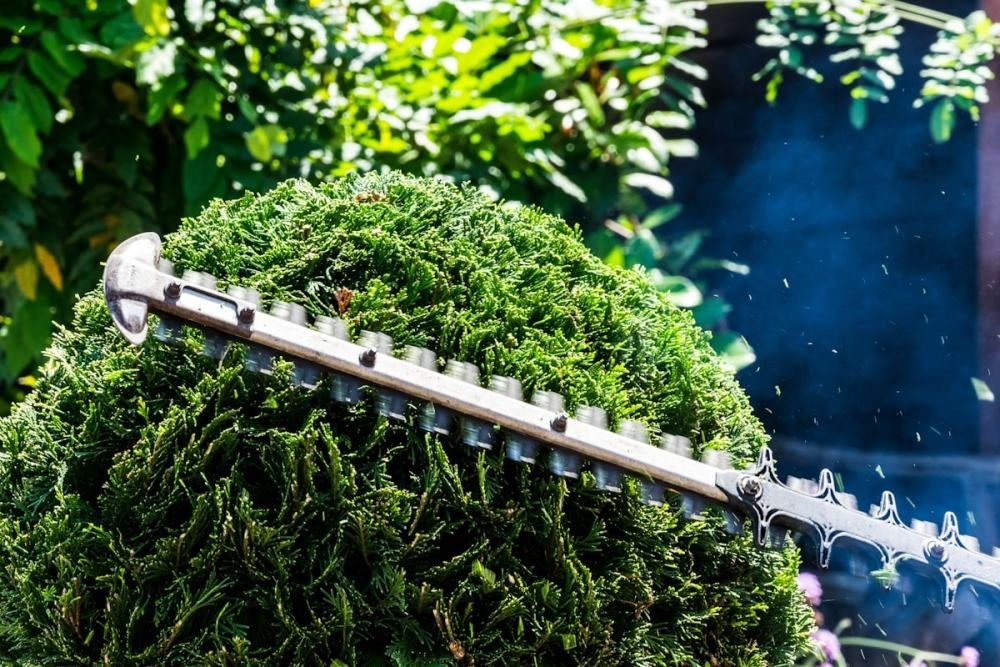
Cuts made at the right time of year, for the health of the plant, not just for a shape. Hedges, ornamentals, flowering shrubs and small trees, by people who know what each one does next.
50+
Years in business
Free
Estimates & consultations
11
Towns served
2
Residential & commercial
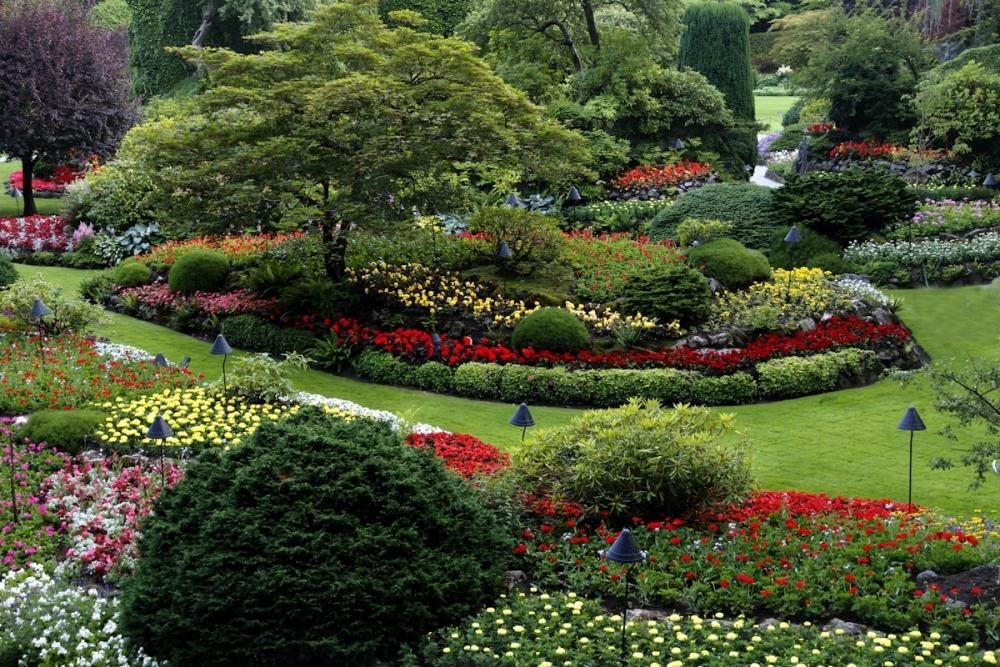
Prune a spring-flowering shrub in March and you cut off the flowers. Cut a hedge hard in late autumn and the new growth will not harden before the first freeze. Half the sad-looking shrubs in this county were not neglected. They were trimmed on the wrong weekend by someone with a schedule to keep.
We prune by species and season rather than by whatever is on the round that week. Forsythia and lilac after they flower. Boxwood and yew when the flush has hardened. Storm damage and deadwood whenever we find it, because that never waits.
An overgrown hedge does not come back in one cut, either. Taking a neglected boundary down to size in a single pass leaves bare wood that may never green over. We bring it back across two or three seasons and tell you honestly how it will look in between.
Anything we can reach safely from the ground or a ladder. Large tree work and anything near a power line belongs to a licensed arborist, and we will say so.
Boxwood, yew, privet, arborvitae and hornbeam kept square and dense, on a schedule that suits the species rather than the calendar.
Cut after bloom, not before, so next year's flowers survive. Hydrangea alone is worth getting right, the timing differs by variety.
Japanese maple, dogwood, magnolia and the like, thinned to shape and let breathe rather than sheared into a ball.
Broken limbs and dead wood taken out cleanly so the wound closes, which matters more after a wet Connecticut winter than most people expect.
Overgrown hedges and shrubs brought back in stages, so you keep a green boundary while it recovers instead of a screen of bare stems.
Opening up a window view, a path or a lawn that has stopped getting sun, without leaving the plant looking hacked at.
Fifty years of returning to the same hedges tells you exactly how far each species can be cut back and still come good.
We would rather come back in six weeks than cut your lilac at the wrong moment and cost you a season of flowers.
A renewal cut looks worse before it looks better. You will hear that before we start, not after you see it.
Cuttings collected and hauled away, beds raked, and insured crews on the property. No pile left behind the garage.
Sometimes the right answer is a date three months out. We will tell you when it is.
We look at what you have, identify the species, and check what state it is in.
We tell you when each plant should be cut and why, sometimes now, sometimes after it flowers.
Scope, timing and price. Renewal work is quoted across the seasons it will actually take.
The work is done in its window, cuttings are hauled away, and we can hold the shape on a schedule from then on.
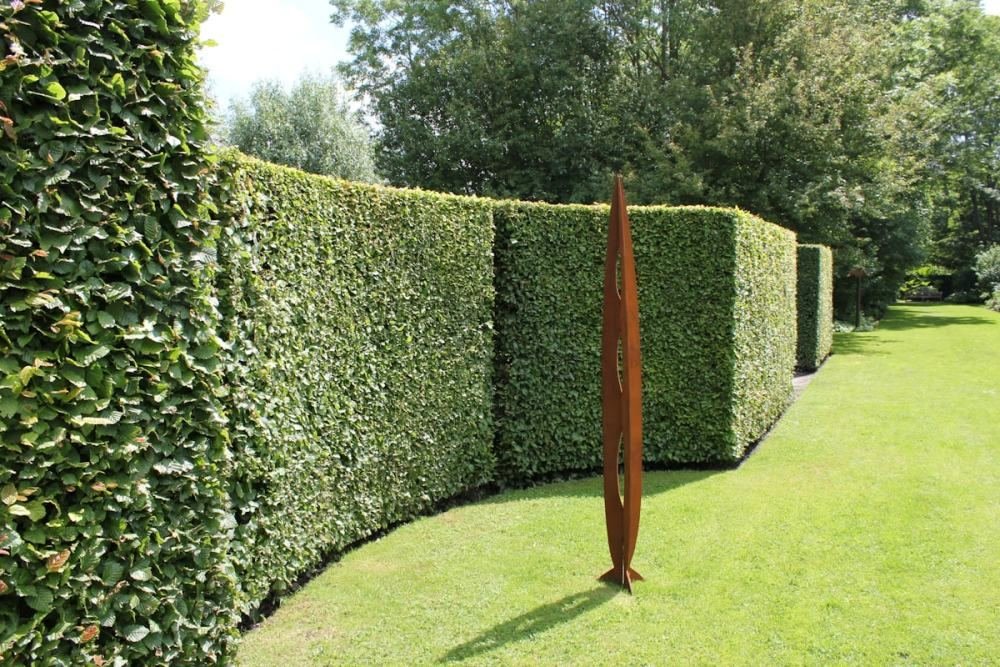
An overgrown boundary brought back over two seasons, then held square on a scheduled cut.
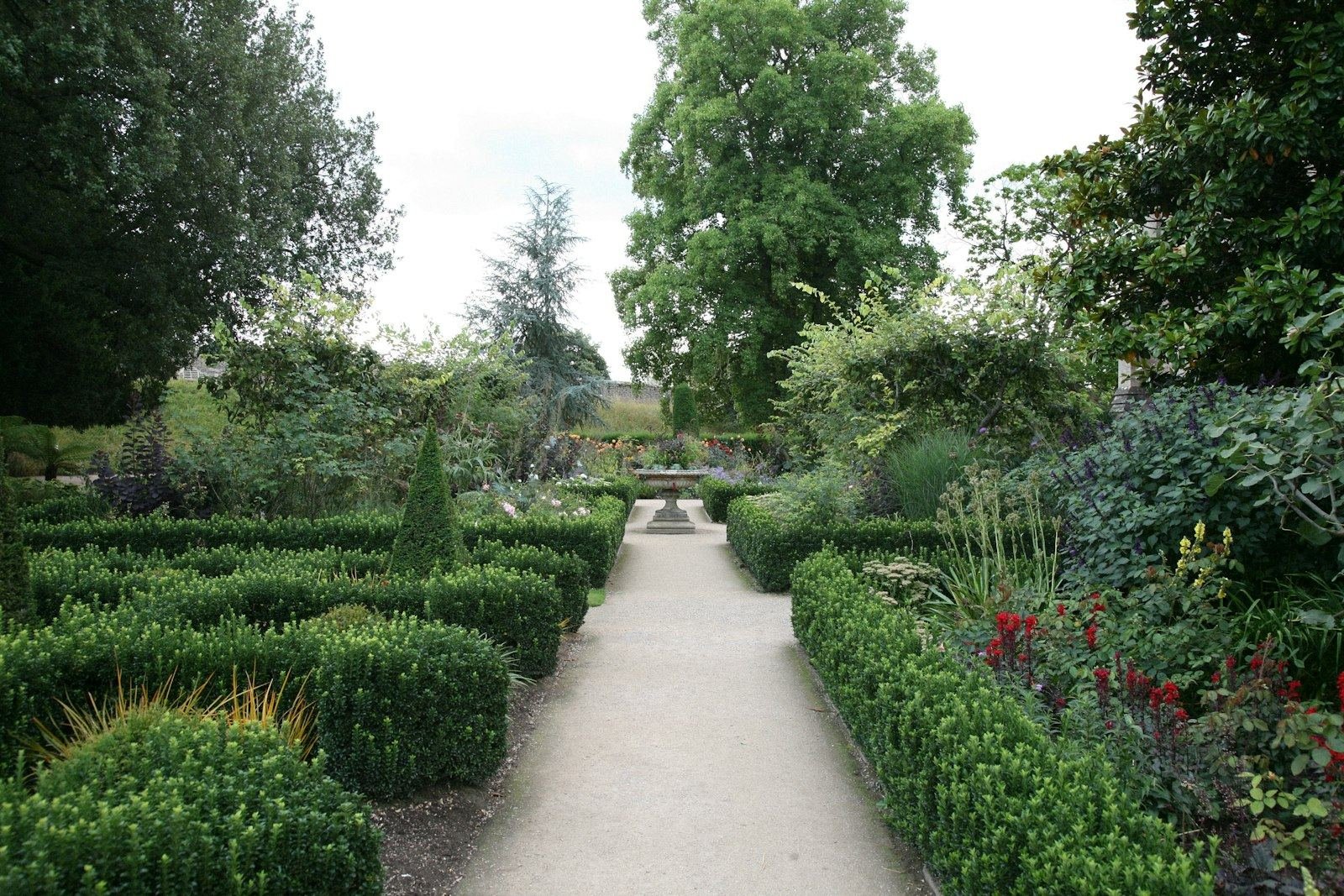
Shaped evergreens held to form on a schedule, giving the borders structure through the winter.
Work shown is representative of the type of project we take on.
Pruning windows are short, and they move with the weather rather than the date. Working out of Norwalk means we can get to your property inside the right fortnight rather than the right month.
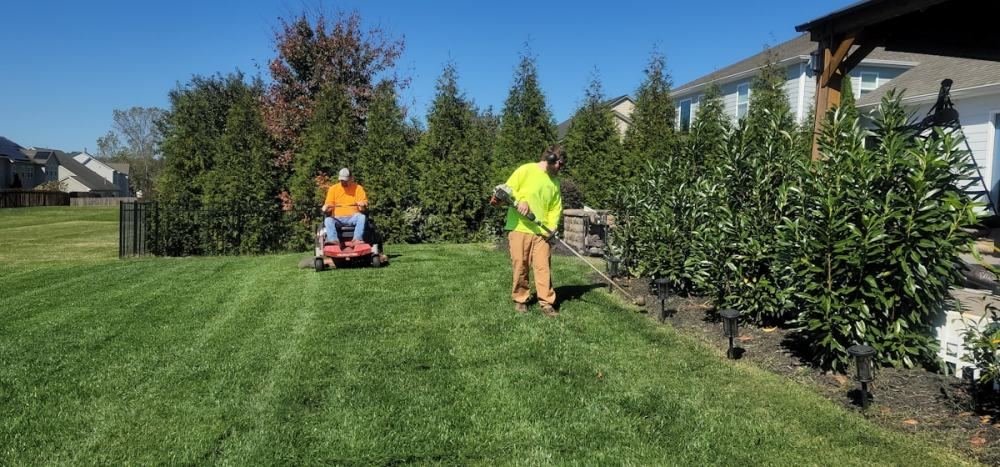
Scheduled care that keeps a property looking the way it did the week it was finished: mowing, beds, seasonal cleanups and everything between.
View service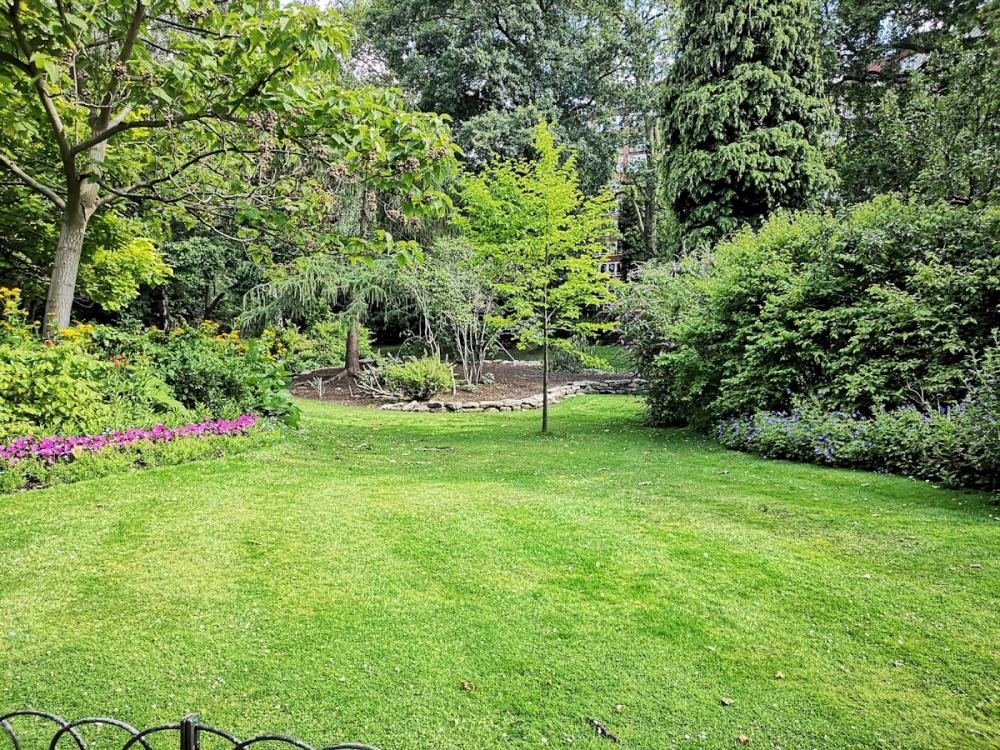
Plans drawn around how you actually use the property. Sightlines, grade, drainage and light all come before a single plant is chosen.
View service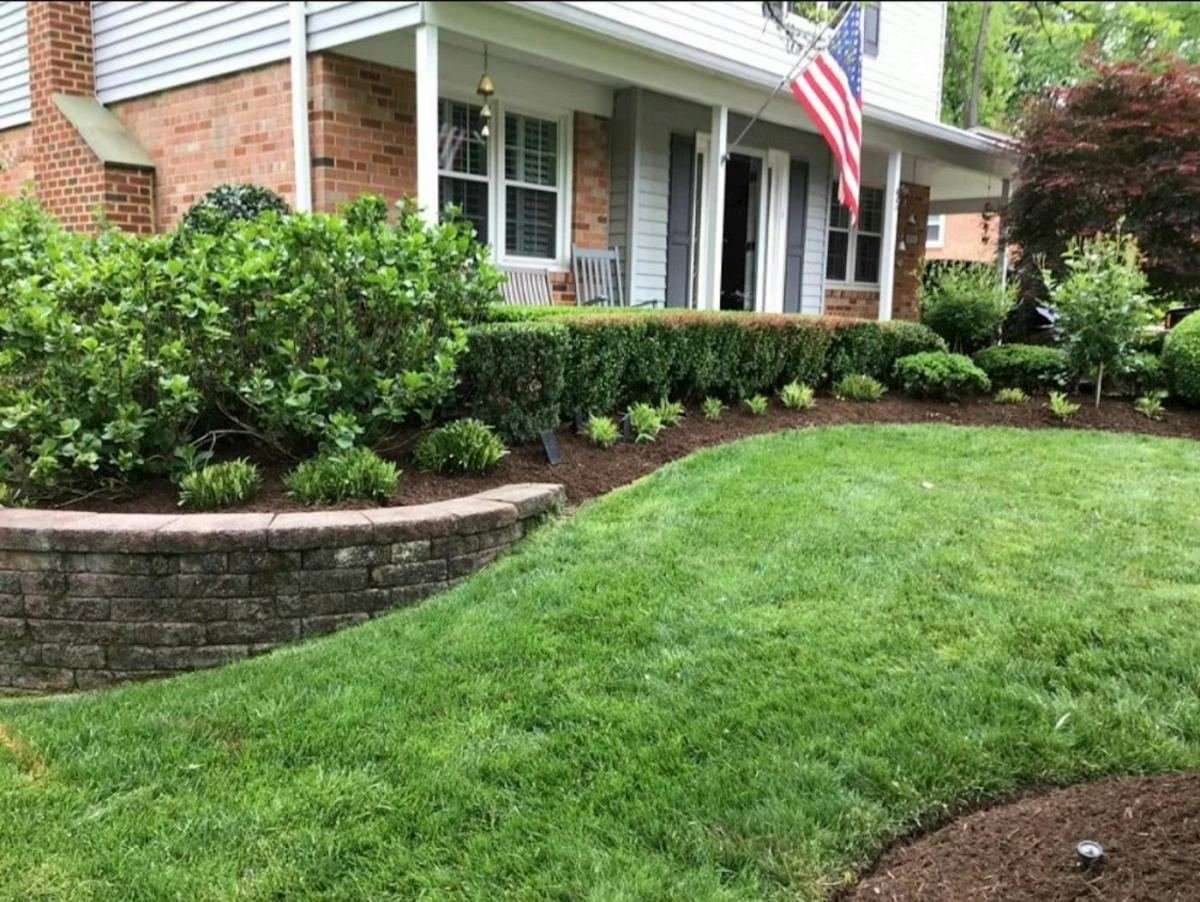
Private homes and estates across Fairfield County, from a single bed to full grounds care.
View serviceIf yours is not here, ring us. We would rather answer it now than have you wondering.
(203) 247-7744It depends entirely on the plant. Spring-flowering shrubs go right after they bloom; most hedges take a summer cut once the flush has hardened; deadwood comes out whenever it appears. Tell us what you have and we will tell you the window.
Usually, but not in one go. Cutting a neglected hedge back hard in a single pass exposes bare wood that may never green over. We bring it back over two or three seasons and are straight with you about the interim look.
No. We prune small trees, ornamentals and anything reachable safely from the ground or a ladder. Large limbs, climbing work and anything near a power line should go to a licensed arborist, and we will say so rather than take it on.
Yes. Cuttings are collected and hauled off, and the beds and lawn are raked before we leave. It is included unless the quote says otherwise.
Yes, and it usually should be. Hedges held on a schedule stay easy; hedges pruned when someone finally notices need renewal work. Most of our maintenance clients have pruning written into the season.
Almost certainly, and it is nearly always a timing problem. Different hydrangea varieties flower on old or new wood, so the same cut helps one and ruins another. We will identify what you have and cut accordingly.
Norwalk, Darien, Westport, New Canaan, Greenwich, Weston, Wilton, Stamford, Fairfield, Ridgefield and Rowayton, plus the streets between them.
Tell us what needs cutting. We will come out, identify what you have, and tell you what should be done and when, even if the answer is not this month.
We will walk the property, talk through what you want, and put a price in writing. No charge, and no pressure afterwards.